GARDEN OF EDEN - LANDSCAPE MYCEM
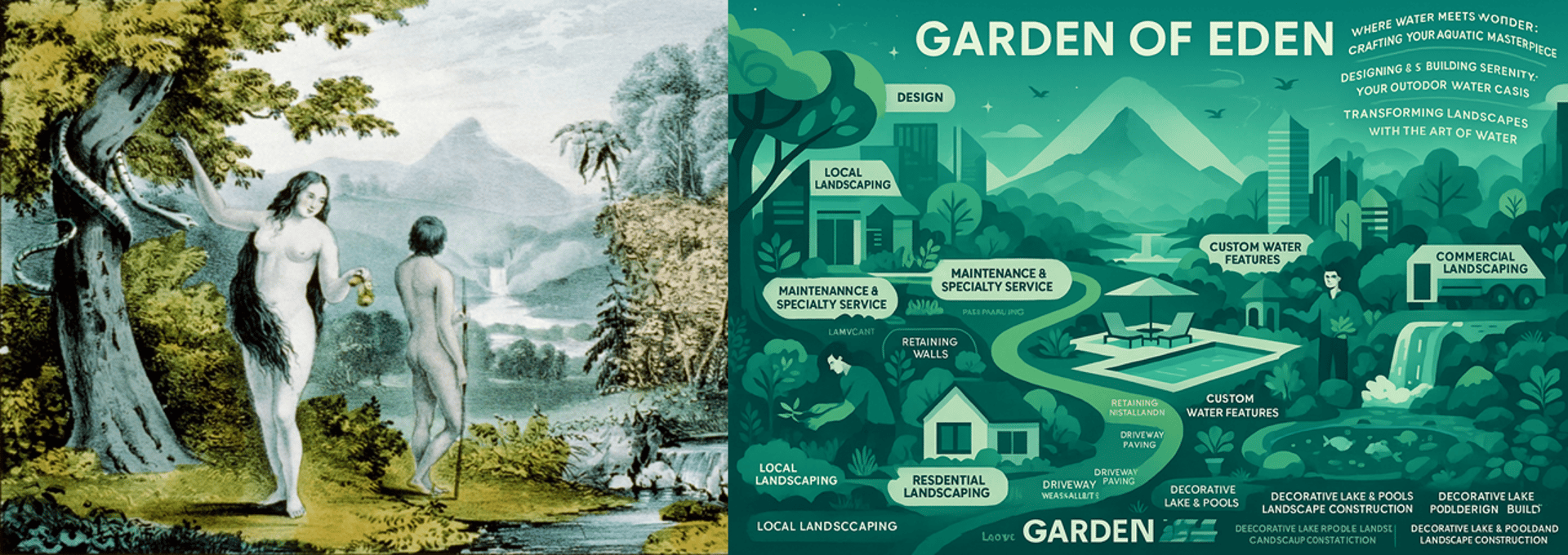
DESIGN - MANAGEMENT Groundswell Landscapes Your Outdoor Space Today
Expert landscaping services for residential and commercial needs.
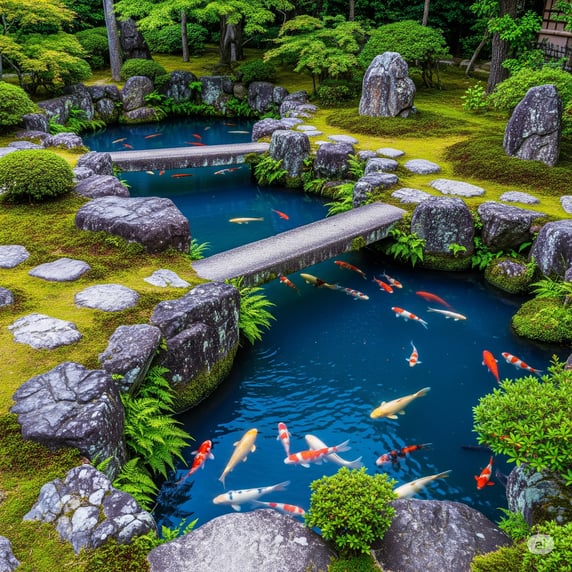
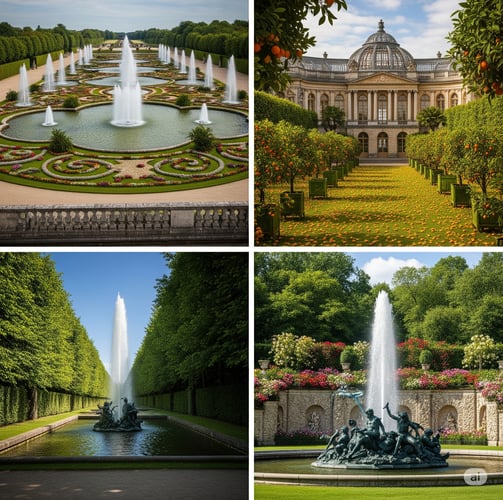
Water Features
Crafting serene aquatic masterpieces for your landscape.
Designing beautiful outdoor living spaces for relaxation.
Professional lawn care and maintenance services available.
Deck Builders
Patio Construction
Expert Landscaping Design Team
Transforming your outdoor space with professional landscaping, design, and maintenance for residential and commercial needs.


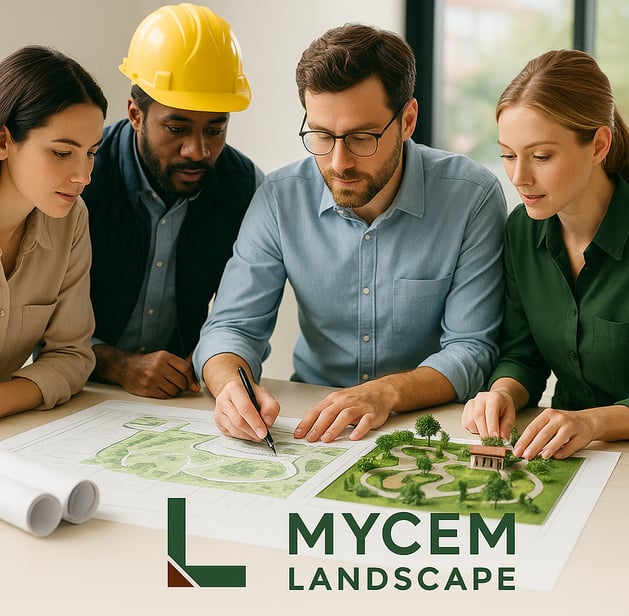
by MYCEM LANDSCAPE TEAM
"MYCEM Landscape
— Where Beauty Meets Mastery."
Sustainable Solutions
BIM in Landscape Architecture: Revolutionizing Environmental Design, Construction Integration, and Multidisciplinary Coordination
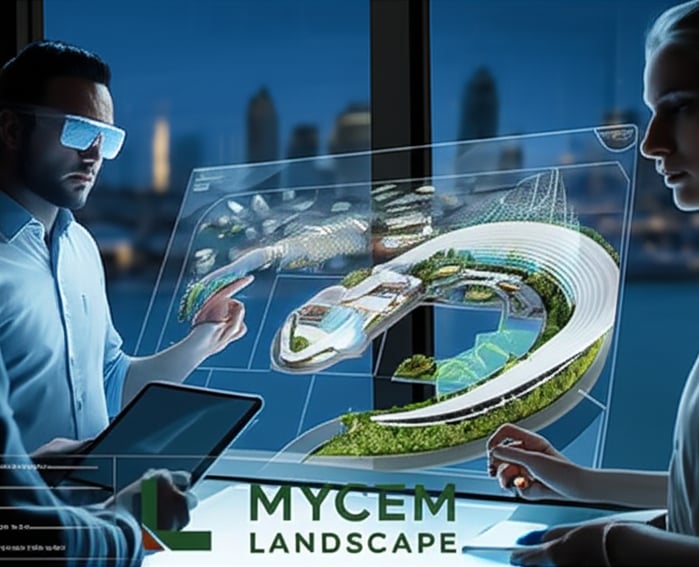
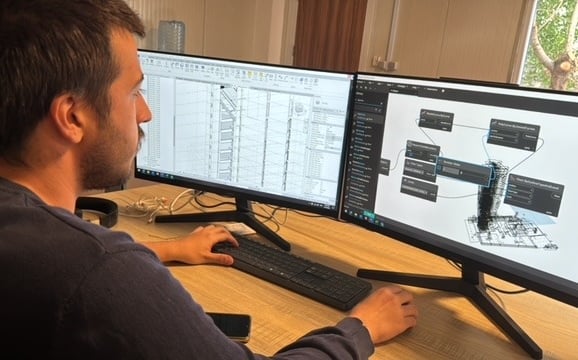
The discipline of landscape architecture is undergoing a paradigm shift, propelled by an escalating demand for efficiency, ecological integrity, and data-driven precision. At MYCEM JSC, we anticipated this transformation, initiating a systematic integration of Building Information Modeling (BIM) methodologies between 2018 and 2023 across both design and construction domains. This early adoption, led by a team of multidisciplinary landscape architects proficient in Autodesk Revit, McNeel Rhino (Grasshopper), and Navisworks, has enabled us to execute high-resolution parametric modeling, particularly for complex spatial configurations such as adaptive water features, topographical morphologies, and eco-responsive public space systems.
Our core strategic focus lies in establishing seamless BIM-based lifecycle control, ensuring robust CMEA (Civil, Mechanical, Electrical, and Automation) integration, and aligning all construction logistics with time-bound execution strategies through 4D and 5D BIM protocols.
Leveraging BIM for Optimized Landscape Outcomes: A Technical Analysis
1. Intelligent Visualization & Cross-disciplinary Communication
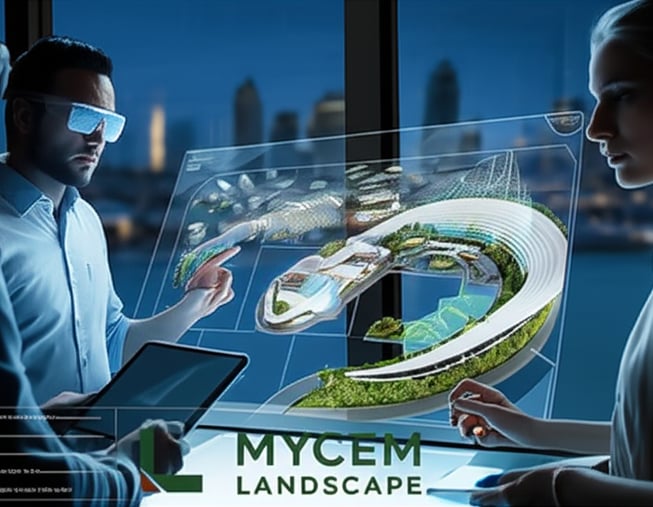
BIM transforms conventional 2D documentation into an immersive object-oriented 3D modeling environment, facilitating photorealistic visualizations and dynamic spatial simulations. Stakeholders—ranging from urban ecologists to electrical engineers—can concurrently engage with the digital twin of the landscape, enabling:
Early-stage resolution of spatial-temporal conflicts.
Holistic visibility over underground infrastructure and above-ground landscape typologies.
Precision modeling of mechanical systems such as filtration units for water features and buried irrigation manifolds.
This immersive environment enhances stakeholder alignment during design development and construction documentation phases.
2. Automated Clash Detection and Systemic Coordination
Through Navisworks' Federated Model Analysis, our BIM workflow automates rule-based clash detection between:
Root zone projections vs. subsurface conduits,
Bioswale geometries vs. stormwater drains,
Lighting layouts vs. tree canopies or green walls.
These simulations are further informed by infraBIM standards and LOD 300–500 benchmarks, enabling preemptive conflict resolution well before mobilization on site, significantly reducing the risk of downstream RFIs (Requests for Information) and costly rework.
3. Data-Driven Quantity Take-Offs and Cost Estimation
Our BIM environments are embedded with parametric families and property sets (Psets), allowing for automated and dynamically linked Bill of Quantities (BoQ) extraction. These include:
Soil strata volumes stratified by compaction zones,
Planting palettes with maintenance coefficients,
Modular paving assemblies with embedded thermal permeability data.
Through the integration of 5D BIM platforms, cost data remains synchronized with the evolving model, enhancing real-time value engineering and precise budget forecasting.
4. 4D BIM and Construction Sequencing
Using Synchro Pro and Navisworks Timeliner, we integrate Critical Path Method (CPM) schedules directly with BIM models. This allows for:
Simulation of site logistics, sequencing of earthworks, hardscape installation, and planting phases.
Identification of time-space collisions (e.g., equipment access conflicts with curing periods of hardscape finishes).
Real-time adjustments during phased construction of large public realm or hospitality projects.
Quantifiable Performance Improvements: Budget and Time Metrics
Empirical data confirms BIM's transformative impact:
Rework Reduction: According to McGraw-Hill SmartMarket Reports, BIM adoption in landscape-intensive AEC projects reduces field conflicts and rework by 10–12%, directly impacting contractor margins and reducing schedule drift.
Time Savings: BIM-enabled sequencing shortens delivery timelines by up to 7%, critical for commercial properties and tourism developments seeking accelerated ROI.
Cost Efficiency: While the onboarding cost for software licenses and team upskilling is non-trivial, overall project savings in the range of 5–15% are consistently reported, attributed to optimized material procurement, fewer RFIs, and data-driven logistics.
Embracing the Future: Integrative Technological Trajectories
At MYCEM JSC, we continually push the boundaries of BIM-based landscape practice through:
Parametric and Generative Design Integration
Using Grasshopper (Rhino’s algorithmic design interface), we create responsive models that adapt to:
Hydrological flow patterns,
Solar irradiance optimization for vegetated façades,
User circulation modeling using agent-based simulations.
This iterative design process supports multi-objective optimization, particularly beneficial for climate-adaptive design in arid zones or dense urban contexts.
Environmental Simulation & Performance Modeling
We utilize BIM-linked plug-ins such as Ladybug Tools, Autodesk Insight, and Envi-Met for:
Solar exposure simulations for planting performance,
Computational Fluid Dynamics (CFD) for wind corridors,
Rainwater harvesting potential and aquifer recharge modeling.
These simulations inform performance-based design, ensuring landscapes are not only aesthetically aligned but ecologically optimized.
Cloud-Based Collaboration and IFC Compliance
Our BIM environment is hosted on Autodesk Construction Cloud (ACC) and BIM 360, ensuring version control, multi-stakeholder coordination, and open-standard interoperability via IFC (Industry Foundation Classes). This enables transparent collaboration across disciplines and geographies.
Digital Twins for Long-Term Asset Management
Looking beyond construction, we are pioneering digital twin strategies—continuous digital replicas of the physical landscape—to:
Monitor vegetation health via sensor data,
Predict irrigation needs via evapotranspiration models,
Facilitate post-occupancy maintenance and adaptive reuse planning.
Conclusion: Towards a Resilient, Data-Driven Landscape Future
Our pioneering adoption of BIM at MYCEM JSC marks a transformative moment in the evolution of landscape architecture. By embedding parametric intelligence, data-rich modeling, and interdisciplinary coordination into every stage of our design-build lifecycle, we are not only creating visually compelling and sustainable environments but also delivering unprecedented efficiency and value.
As the AEC industry gravitates toward integrated digital ecosystems, BIM is no longer a luxury but a necessity—redefining how we envision, construct, and sustain the landscapes of tomorrow. environmentally friendly landscaping practices for a beautiful, eco-conscious outdoor environment tailored to you.
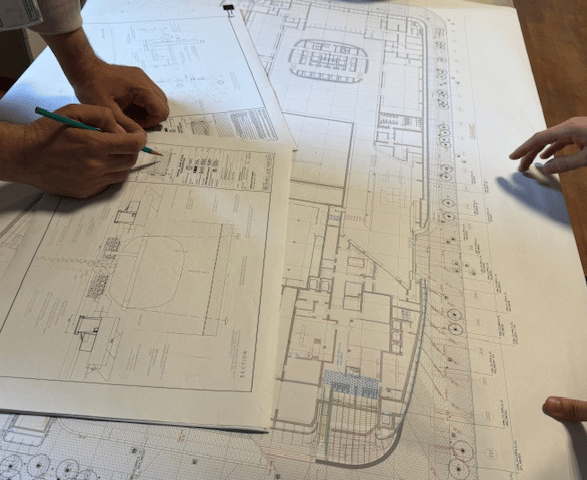
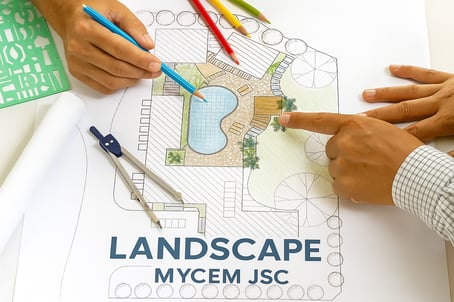
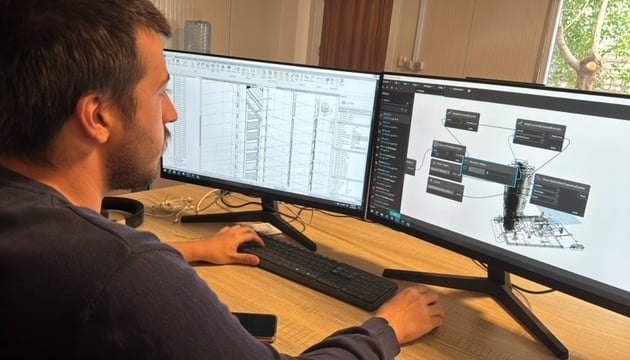
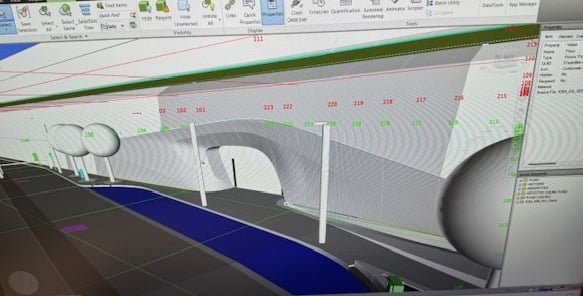










The Secret to Seamless Landscape BIM Coordination: Sustained Teamwork, Proven Expertise
“BIM success isn't just about software—it's about synchronized minds.”
MYCEM JSC Landscape Division
Precision-Driven. Coordination-Led. Team-Powered.
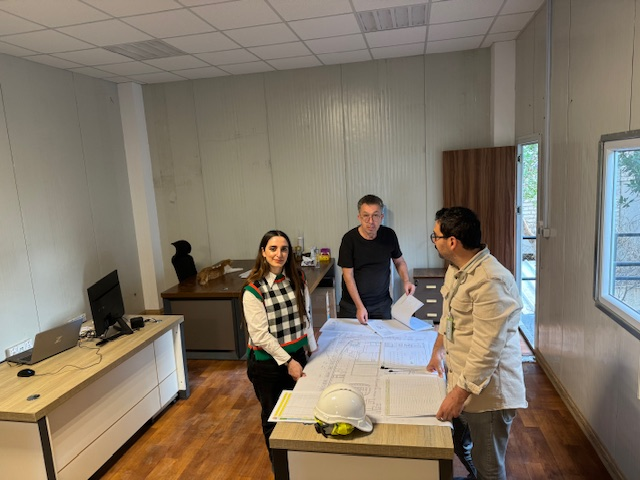
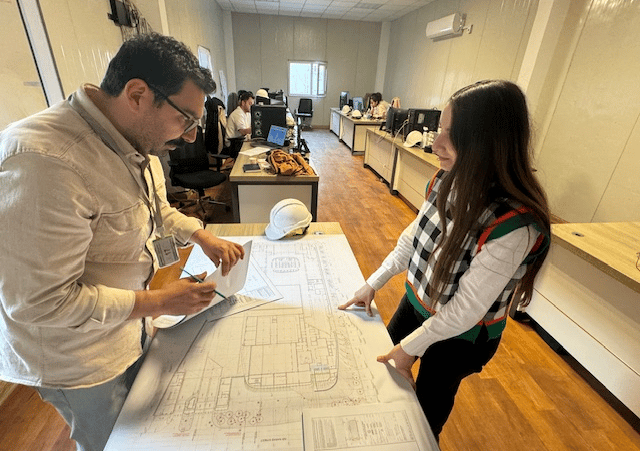
At MYCEM JSC, we understand that Landscape BIM Integration is more than modeling—it’s about orchestrating complexity across multiple trades, systems, and disciplines. Our specialized team of landscape architects operates with technical mastery and unwavering collaboration, driving every project forward with clarity, agility, and cohesion.
What Sets Us Apart?
“We don't just use BIM—we live it, breathe it, and build with it.”
✅ Technical Excellence Meets Human Synergy
Proficient in Revit, Rhino (Grasshopper), Navisworks
Advanced parametric modeling for terrain, irrigation, lighting, and hardscape systems
Fully integrated with CMEA disciplines
🔄 Continuous Teamwork: Our Operational Backbone
“Seamless collaboration is not an event—it’s our default setting.”
Daily Syncs & Design Reviews
Structured BIM coordination meetings
Real-time model alignment with subcontractors
Proactive Clash Detection
Preconstruction model audits
Early resolution of inter-system conflicts (e.g. MEP vs. root zones)
Interdisciplinary Accountability
Shared ownership of project outcomes
Verification of subcontractor models and model fidelity
Agility Under Pressure
Rapid adaptation to design changes, site constraints, and client input
BIM-based redesigns without delay
💡 Real-World BIM in Action
“From concept to construction, we translate complexity into clarity.”
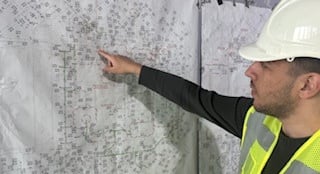
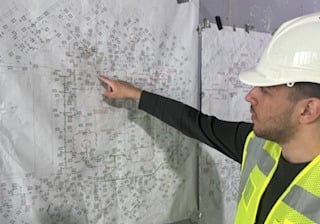
Integrating smart irrigation schematics with structural subgrades
Coordinating lighting infrastructure within layered landscape strata
Visualizing and adjusting hydraulic layouts for pools and water features before ground-breaking
🧩 Collaborative Ecosystem, Built to Scale
“Every model we build is a platform for shared success.”
Our coordination model:
Ensures full stakeholder engagement (architects, engineers, consultants, contractors)
Uses BIM 360 & cloud-based federated models
Maintains traceable communication and version control
🎯 Our Commitment
“Landscape BIM isn’t just a service—it’s a discipline.”
At MYCEM JSC, we transform high-level BIM strategies into field-ready, constructible landscapes. Our strength lies in cultivating a studio culture of aligned minds, where everyone contributes to the solution—not just the task.
🚀 The Result?
Faster project delivery
Fewer coordination errors
Higher model integrity
Efficient integration of third-party contractors
Final Thought
“When teamwork is constant, coordination becomes invisible—and that’s the real magic of BIM at MYCEM.” environmentally friendly landscaping practices for a beautiful, eco-conscious outdoor environment tailored to you.



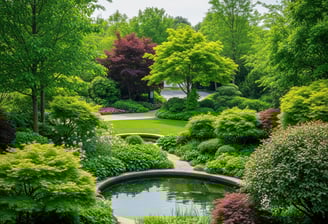
Landscaping - BIM Design Team




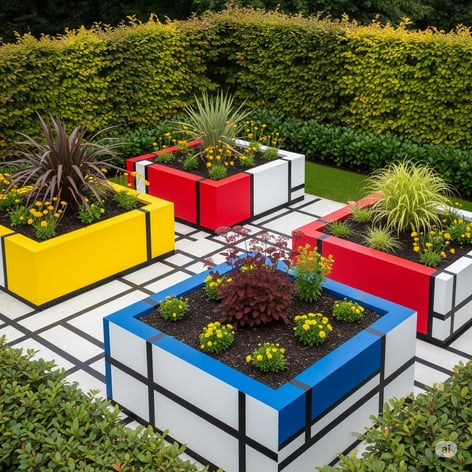
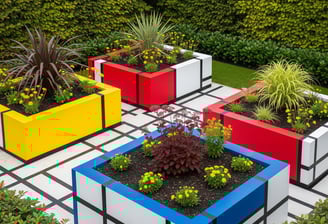


"From Terrain to Technology
— Elevating Landscape Architecture Through Integrated BIM Workflows."
"Designing Living Landscapes with Digital Precision
— Where Architecture Meets BIM Intelligence."
"Powered by Nature, Designed for People — Rethinking Outdoor Spaces Sustainably."
"Green Design in Every Detail
— Crafting Outdoor Spaces That Care for the Planet."

"Shape Social Spaces. Power Them Green. Design That Gives Back to Nature."
"Sit. Connect. Recharge — Sustainable Outdoor Furniture for a Greener Tomorrow."
"Where Comfort Meets Conservation — Eco-Smart Designs for Outdoor Living."
Harmonizing Innovation and Nature: MYCEM Landscape's Design Philosophy
At MYCEM Landscape, we seamlessly integrate cutting-edge technological equipment and innovative design applications to create systems that perfectly fulfill the intricate needs of natural life. Our approach involves deploying advanced technical services that ensure the enduring health and vibrant beauty of every landscape. By leveraging the latest tools and pushing the boundaries of creative design, we achieve perfected systems that not only enhance aesthetic appeal but also provide sustainable and thriving environments for flora, fauna, and people alike.
Transforming Your Outdoors, Touching Your Soul
At MYCEM Landscape, we don’t just shape gardens — we awaken dreams. Every stone we place, every tree we plant, carries your story. From the first sketch to the final bloom, we craft more than spaces — we create feelings.
You imagine peace, beauty, belonging — we bring it to life, on time and with heart.
Because this isn’t just landscaping.
It’s your sanctuary, and it starts with our promise.
Turning Dreams into Reality: The MYCEM Landscape Approach
At MYCEM Landscape, we turn ambitious visions into beautifully crafted, budget-conscious outdoor spaces. Our secret lies in the seamless blend of design expertise, cost-effective planning, and a deep understanding of natural aesthetics.
We don't just design landscapes — we create lasting experiences. Every project balances visual impact with financial feasibility, ensuring that each detail, from bold garden lines to subtle lighting, delivers both beauty and value. With a holistic and practical approach, we bring your dreams to life — without compromise. Landscaping Design Team


Landscape Services
The Future of Landscape: Innovation in Soil, Quality, and Systems
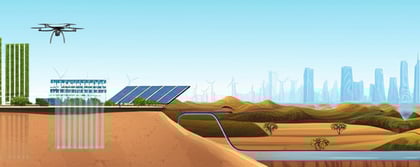
The landscape of agriculture and urban green spaces is on the cusp of a dramatic transformation. As we look towards 2030, 2040, 2050, and beyond to 2075, the integration of technology will revolutionize how we approach soil preparation, product quality control, and overall system design in landscape architecture. These advancements are driven by the need for greater sustainability, efficiency, and resilience in the face of environmental challenges.
Soil Structure Preparation: Moving Beyond Traditional Methods
The future of soil preparation will be characterized by precision and sustainability. We will see a move away from broad-acre tilling towards more targeted approaches. Advanced soil sensors and data analytics will provide detailed insights into soil composition, nutrient levels, and moisture content. This data will inform the application of specific amendments, ensuring optimal conditions for plant growth while minimizing resource waste.
Robotics and Automation: Expect to see robotic systems that can analyze soil in real-time and perform tasks like targeted aeration, nutrient injection, and the application of beneficial microorganisms. This precision will lead to healthier soil structures tailored to the specific needs of the plants being cultivated.
Sustainable Amendments: The focus will shift towards organic and bio-based soil amendments, reducing reliance on synthetic fertilizers. Compost generated from urban waste, biochar produced from agricultural residues, and microbial inoculants will play a crucial role in enhancing soil fertility and structure naturally.
Product Quality Control: Ensuring Superior Yields and Safety
Maintaining and improving product quality will be paramount in future landscape practices, particularly in urban farming and controlled environment agriculture. Advanced technologies will enable continuous monitoring and quality assurance throughout the growth cycle.
Sensor Technology and IoT: Networks of sensors deployed within vertical farms, hydroponic systems, and even traditional landscapes will continuously monitor environmental parameters like temperature, humidity, light levels, and nutrient concentrations. The Internet of Things (IoT) will connect these sensors, providing real-time data that can be analyzed to optimize growing conditions and predict potential quality issues.
AI-Powered Image Analysis: Artificial intelligence (AI) will be used to analyze images captured by drones and ground-based cameras to assess plant health, detect diseases or pests early, and monitor the quality of produce as it develops. This non-invasive approach allows for timely interventions, reducing losses and ensuring high-quality yields.
Blockchain for Traceability: To enhance food safety and consumer trust, blockchain technology can be implemented to track produce from seed to harvest. This transparent and secure system will provide detailed information about the growing conditions, inputs used, and quality control measures applied, ensuring the integrity of the final product.
System Landscape: Integrated and Intelligent Designs
The design and application of landscape systems will undergo a significant evolution, driven by the principles of sustainability and efficiency. Future landscapes will be highly integrated, leveraging smart technologies for optimal resource management and productivity.
Smart Water Management: Advanced drip irrigation systems, coupled with soil moisture sensors and weather forecasting data, will optimize water usage. Drone-based irrigation will allow for precise water delivery to specific areas, minimizing waste. Rainwater harvesting and greywater recycling will become standard features in sustainable urban planning.
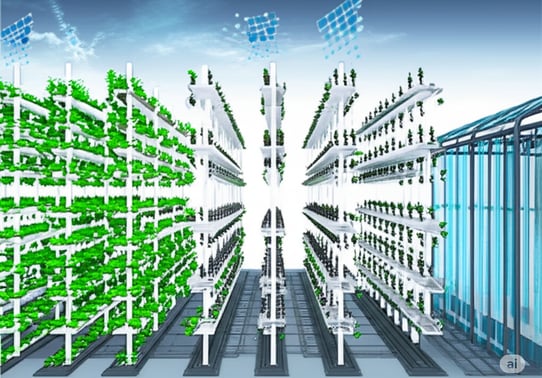
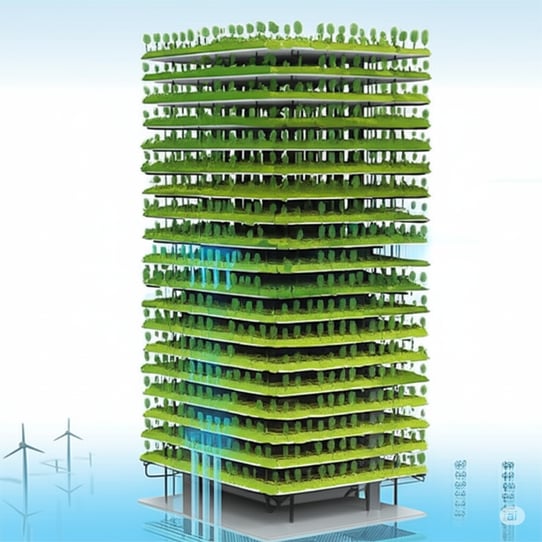
Vertical Farming and Controlled Environment Agriculture (CEA): In urban environments and areas with limited arable land, vertical farms and other forms of CEA like hydroponics and aeroponics will become increasingly prevalent. These systems offer controlled environments that maximize yields while minimizing water and land use. Automated nutrient delivery and climate control systems will be managed by AI for optimal efficiency.
Drone Technology: Drones will play a multifaceted role in future landscapes, from surveying and mapping land to monitoring plant health, delivering targeted treatments, and even assisting with harvesting in larger agricultural settings.
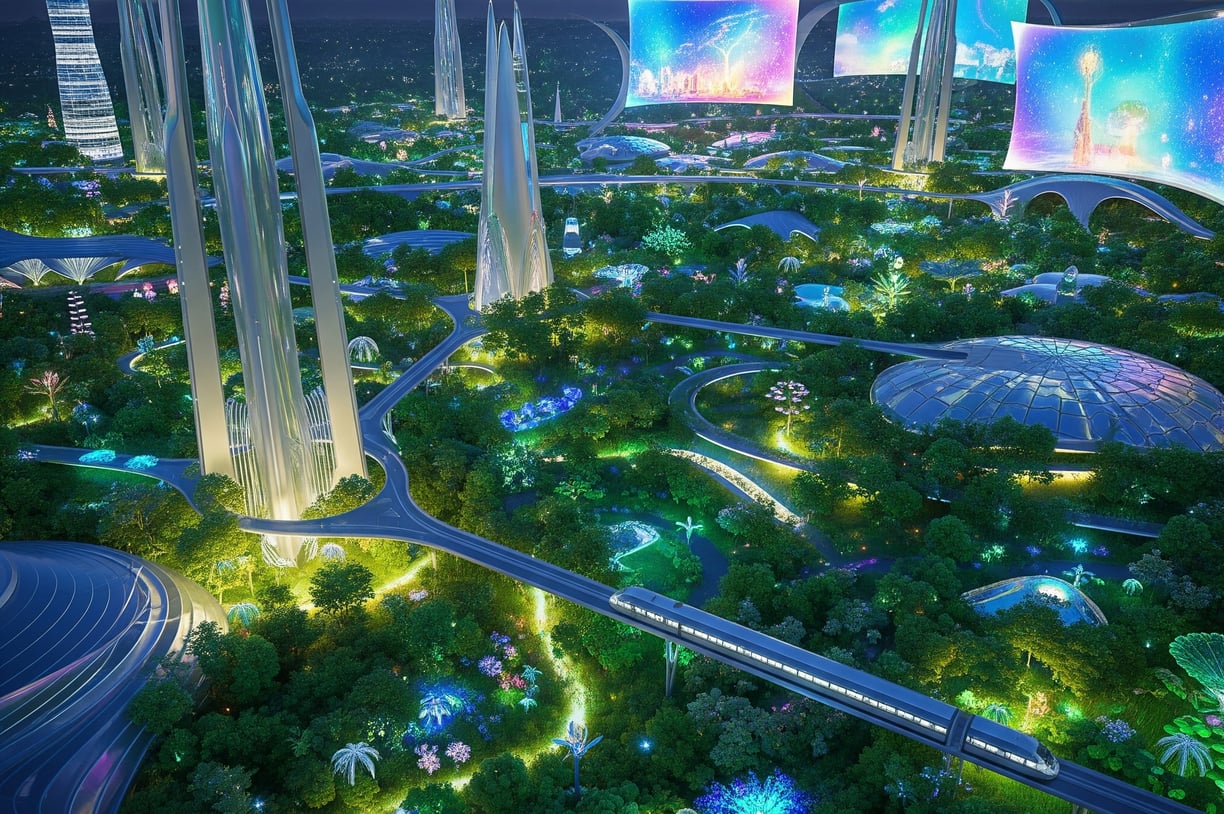
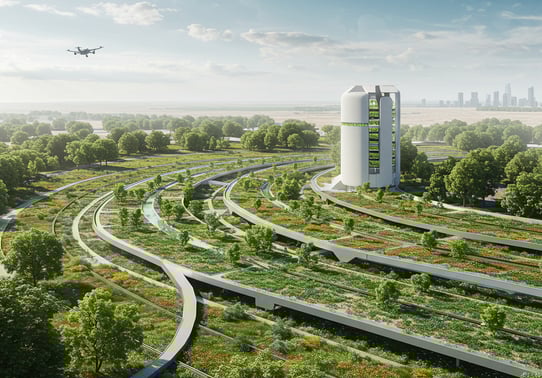
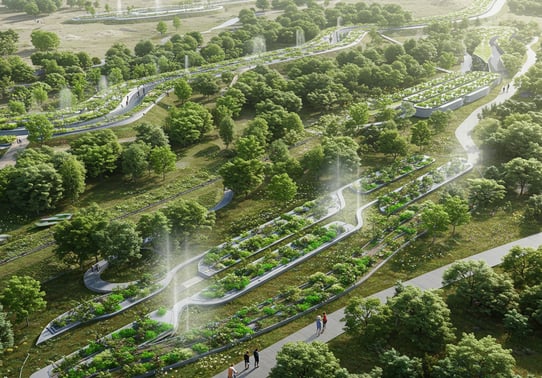
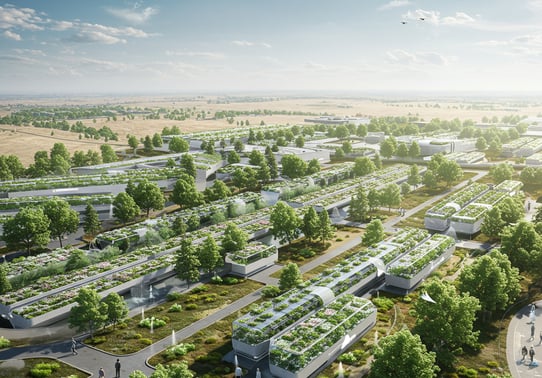
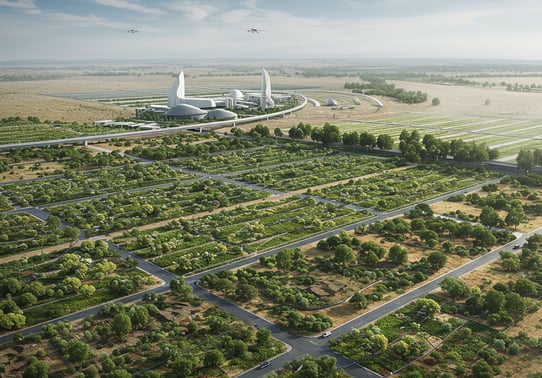
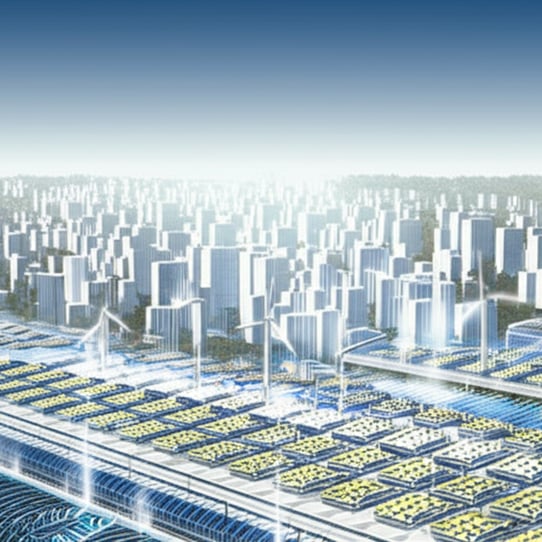
Sustainable Urban Planning: Landscape design will be integral to sustainable urban development. Green infrastructure, including green roofs, living walls, and urban farms, will help mitigate the urban heat island effect, improve air quality, and enhance biodiversity. These green spaces will be designed with smart irrigation and maintenance systems for long-term sustainability.
A Beautiful and Clean Aesthetic with Avant-Garde Design
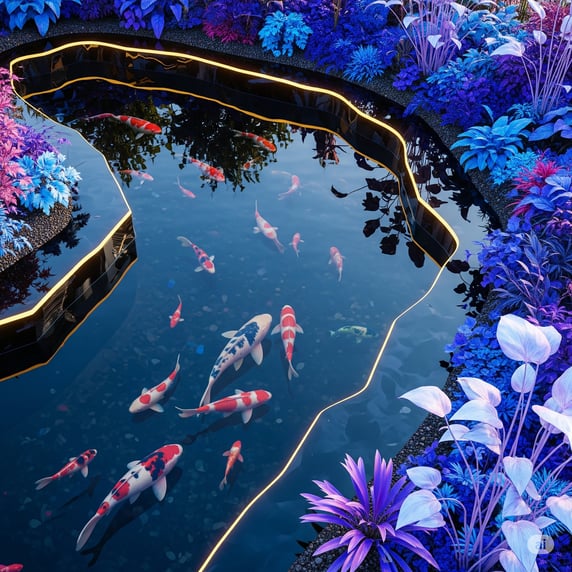
The technological advancements in landscape will not come at the expense of aesthetics. Future landscapes will be designed with a focus on creating beautiful and clean environments. Avant-garde design principles will be integrated with functional technologies, resulting in spaces that are both visually appealing and highly productive. Imagine sleek, modular vertical farms integrated into urban architecture, drone swarms orchestrating precise irrigation patterns over lush green spaces, and sensor networks subtly embedded within the landscape, providing data for a healthier ecosystem.
In conclusion, the landscape of the future promises to be a fusion of nature and technology. Innovations in soil preparation, product quality control, and system design will lead to more sustainable, efficient, and resilient landscapes that can meet the growing demands of our world while enhancing the beauty and functionality of our living spaces. outdoor spaces with expert landscaping and design services.


Water Features
Creating stunning ponds and aquatic masterpieces for serenity.


Lawn Care
Professional maintenance for lush, healthy lawns and gardens.


Deck Building
Crafting beautiful decks for outdoor living and relaxation.
Patio Construction
Designing and building patios for your perfect outdoor space.
→
→
→
→
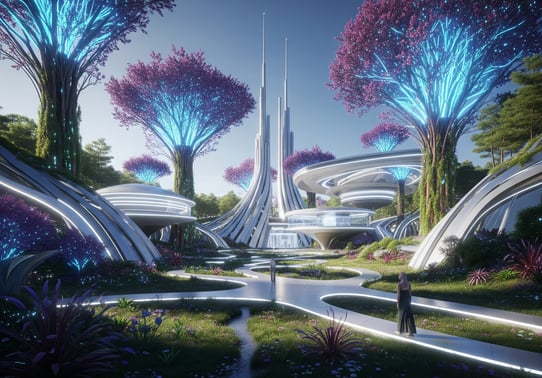
Landscape Services in Future
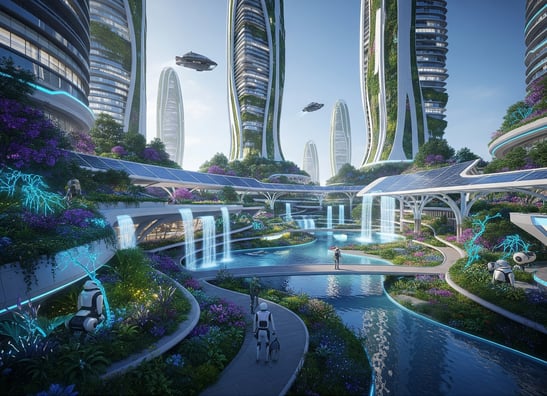
As we look ahead to the future of landscape services, we envision a world where nature and technology harmoniously coexist, bringing about a sustainable and efficient approach to landscaping from 2030 to 2075. This journey will see gradual yet transformative changes in how landscapes are designed, maintained, and appreciated, driven by advancements in technology, environmental awareness, and evolving societal values. ### 2030: The Embrace of Smart Technology In 2030, landscape services will be significantly influenced by the integration of smart technology. Automated irrigation systems equipped with sensors will optimize water usage by responding to real-time weather conditions and soil moisture levels. This will minimize waste, conserving vital resources in an era of increasing water scarcity. Landscape professionals will utilize drones for aerial mapping and surveillance, allowing for precise planning and maintenance of green spaces. Additionally, augmented reality (AR) will begin to play a role in landscape design, enabling clients to visualize designs in their natural surroundings before implementation. This will enhance customer satisfaction and streamline decision-making processes. Plantscape specialists will focus on biodiversity, prioritizing native plants that require less maintenance and support local ecosystems. ### 2040: Sustainable Practices Taking Root By 2040, sustainability will be at the forefront of landscape services. The concept of regenerative landscaping will gain traction, where landscapes are designed not just to be visually appealing but to restore and enhance the natural environment. Landscape architects will employ permaculture principles, creating landscapes that are self-sustaining and enhance biodiversity. Urban areas will prioritize green roofs, vertical gardens, and comprehensive urban forestry as part of a broader strategy to combat urban heat islands and improve air quality. The use of recycled materials in hardscaping will become commonplace, and organic landscaping techniques will dominate, reducing the reliance on chemical pesticides and fertilizers. Stakeholders will increasingly recognize the value of ecosystem services provided by green spaces, from carbon sequestration to improved mental health benefits for communities. ### 2050: The Era of Biophilic Design In 2050, biophilic design will define landscapes, creating spaces where nature is seamlessly integrated into the built environment. Buildings will not only coexist with nature but will actively interact with it, featuring indoor gardens, living walls, and smart glass that adjusts to light, enhancing energy efficiency while fostering a deeper connection to the outdoors. Landscape services will leverage advanced robotics in maintenance tasks, such as robotic lawn mowers and automated planting systems, freeing professionals to focus on complex design and ecological management tasks. Public parks will be designed as multifunctional spaces, incorporating recreational areas, habitat for wildlife, and educational elements about local flora and fauna. Moreover, diligence in monitoring and maintaining healthy ecosystems will intensify, with landscape services using data analytics to predict ecological trends and challenges, allowing for proactive management strategies that ensure the health of urban landscapes. ### 2075: Cities in Nature By 2075, the vision of integrated urban ecosystems will come to fruition. Landscape services will not only be about gardening and maintaining aesthetic appeal but also about fostering resilient ecosystems that address climate change and urban challenges. Cities will have transformed into sprawling landscapes where urban forests, wildlife corridors, and greenways replace asphalt and concrete. Public and private sectors will collaborate to design landscapes that provide maximum ecological benefits while enhancing quality of life. Home gardens will become highly productive micro-farms, using hydroponics or aquaponics systems to produce food sustainably and locally. Advances in genetic engineering may allow for the cultivation of plants specifically adapted for urban environments, enhancing resilience against pests, diseases, and changing climates. Education around environmental stewardship will permeate through communities, with initiatives promoting citizen involvement in landscape projects, fostering a sense of ownership and responsibility for local ecosystems. Landscape services will have evolved into a holistic practice, engaging with communities, scientists, and regulatory bodies to foster well-being, enhance biodiversity, and ensure the sustainability of our planet for future generations. In conclusion, the future of landscape services from 2030 to 2075 presents a landscape profoundly rich with opportunities and responsibilities. Through innovation, sustainability, and a commitment to integrating nature into our daily lives, we will cultivate environments that not only enhance our surroundings but also play a crucial role in the health and vitality of our planet.


Expert Landscaping Services
Transforming your outdoor space with professional landscaping, design, and maintenance for residential and commercial needs.


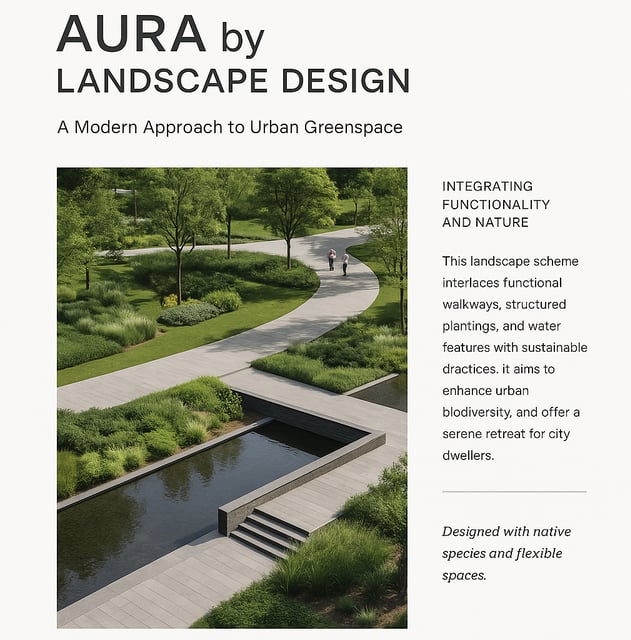
Water Features Design
Creating stunning water features that enhance serenity and beauty in your outdoor living spaces.
Sustainable Solutions
Implementing environmentally friendly landscaping practices for a beautiful, eco-conscious outdoor environment tailored to you.
Contact Location
HQ office and organisation team
Address
EGS Business Park , Bakırköy - Yeşilköy - İstanbul - Turkey
Hours
9 AM - 6 PM
Contact Location
Branch office and organisation team - Mycem JSC - NKJ Trading
Address
Al-Zamil Tower, Floor 5, Office 52, Manama, Bahrain
Hours
7 AM - 2 PM
The landscape team transformed our yard into a beautiful oasis with stunning water features and gardens.
C. Atılgan - Landscape Management - PM



★★★★★